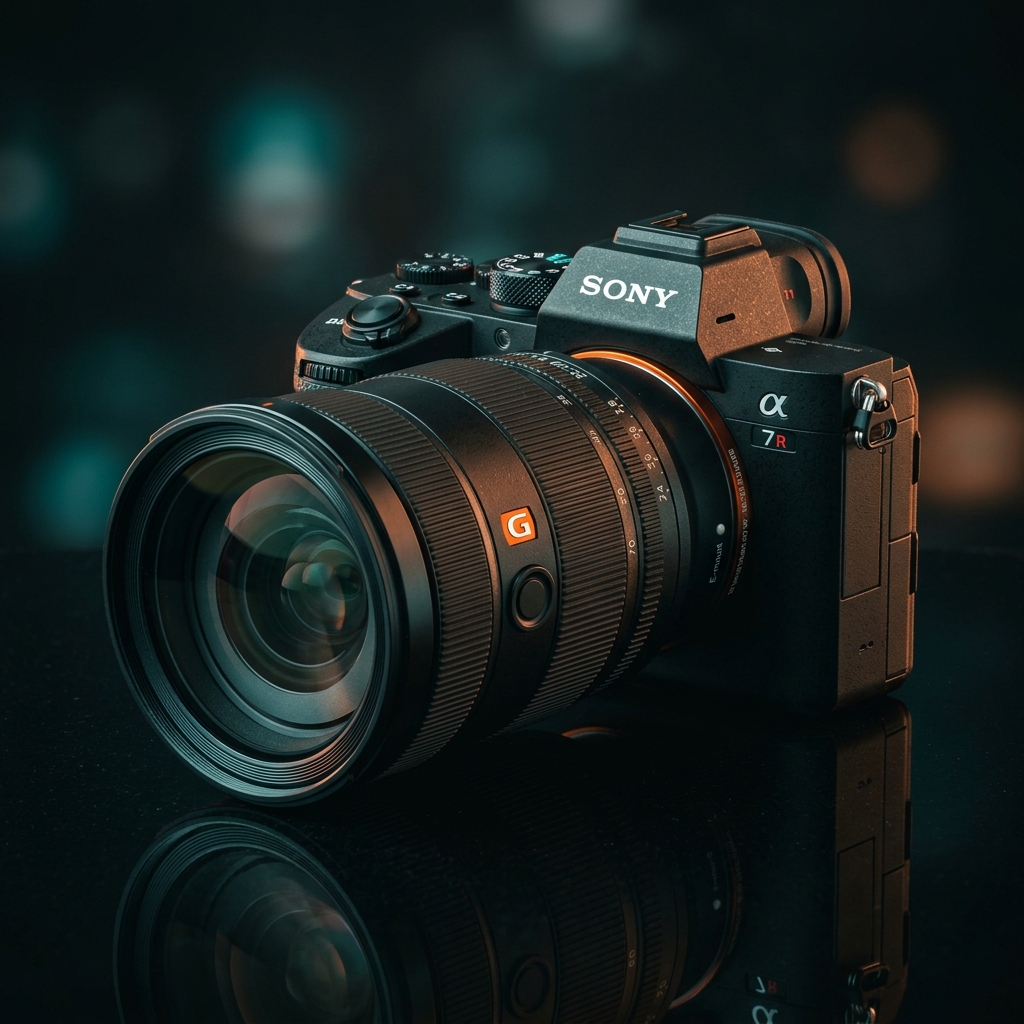
The Sony Takeover
I'll just say it: Sony basically won the mirrorless wars. While Canon was busy protecting their DSLR profits and Nikon was... doing whatever Nikon was doing, Sony went all-in on mirrorless in 2013 with the A7 and never looked back.
Today, walk into any film set, any wedding shoot, any YouTube creator's studio, and count the Sony logos. I'll wait. From amateurs to Oscar-winning cinematographers, the E-mount fever is very real.
What Makes Sony So Special?
- Autofocus that just works: Sony's Real-time Eye AF is borderline magic. Lock onto someone's eyeball and it stays locked even if they're sprinting toward you. I've had it track a dancer through an entire choreography without losing focus once. Canon and Nikon are catching up, but Sony had a solid 5-year head start
- Video beast mode: Internal 4K recording, S-Log3 profiles for color grading, 10-bit color depth, and their S-Cinetone color science (which makes skin tones look gorgeous straight out of camera). For filmmakers, Sony basically said "we hear you" and delivered
- Size that makes sense: No mirror box means the camera body is smaller and lighter. For someone like me who shoots events for 8-10 hours straight, every gram matters. My Sony FX3 weighs less than most DSLR bodies
- Lens ecosystem: The E-mount now has lenses galore. Sony's own G Master line is elite, but you also have Sigma, Tamron, and Samyang making incredible lenses for the same mount. Options for every budget
The FX Line Changed Everything
When Sony launched the FX3 and FX30, they basically told indie filmmakers: "you can have cinema features without selling a kidney." Full-size HDMI, active cooling (no overheating!), dedicated tally light, XLR audio handle... these are features that used to cost Rs 10+ lakhs, now available in something the size of a lunchbox.
I bought an FX3 for a corporate project last year and honestly? The footage looked so good the client thought we used a RED camera. That's the kind of value Sony is offering right now.
Is Canon Catching Up?
Yes, absolutely. The Canon R5 and R6 are serious cameras. The R5 II is a monster. But Sony's head start gave them years to refine autofocus, build out the lens ecosystem, and win the loyalty of a generation of creators. Canon is in the fight now, which is great for everyone because competition drives innovation.
But if you're starting fresh today and want the safest bet for both photo and video? I'd still say Sony. The ecosystem is just too strong to ignore.