
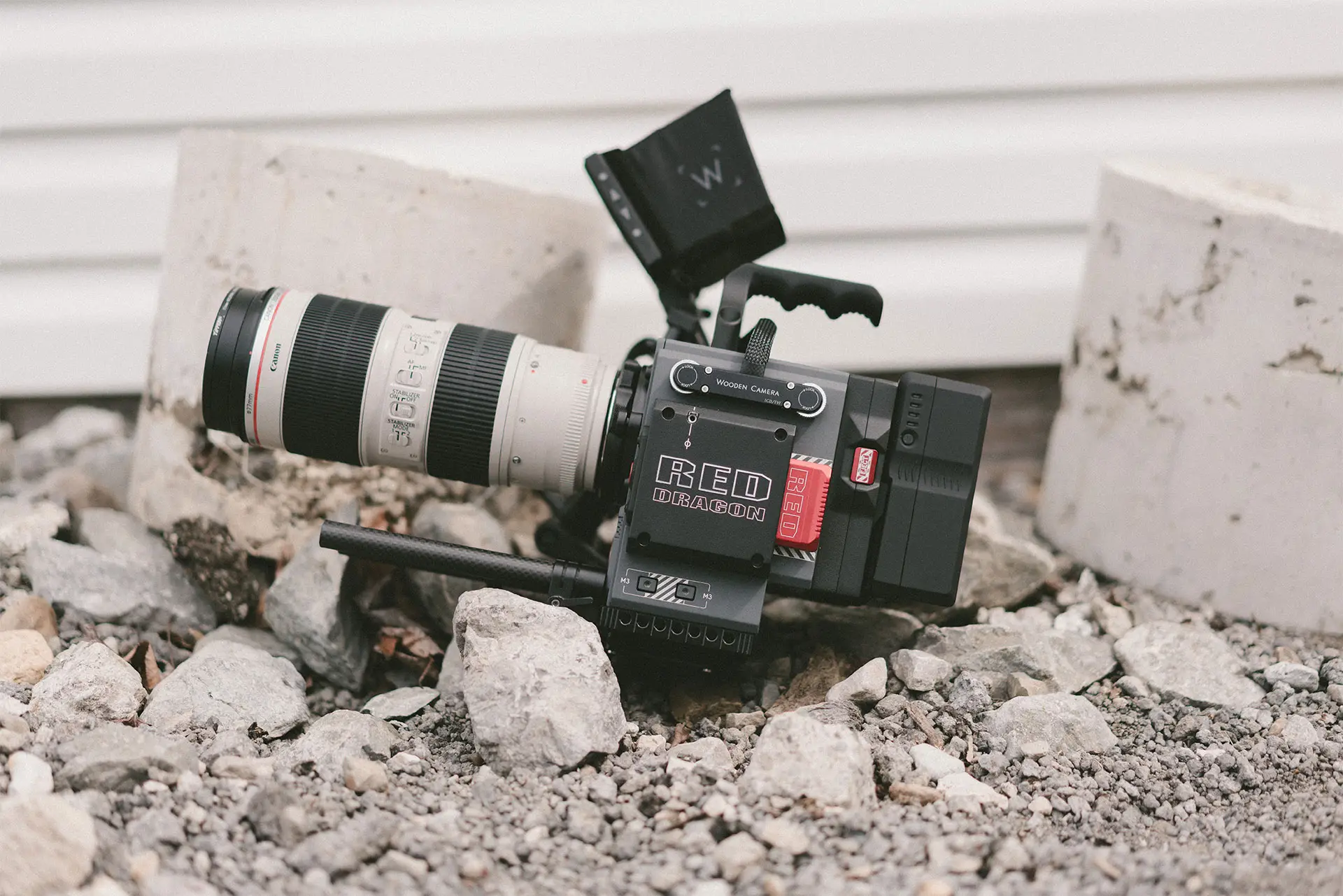
What is the Future of Professional Cameras?
Is Professional Gear No More Extraordinary?
The Epic Saga of Professional Cameras Facing the Mobile Onslaught!
Pixel Wars: Is This the End for Professional Cameras? Unraveling the Photographic Enigma
Thank you for reading this post, don't forget to subscribe!In an era dominated by pocket-sized technological marvels, the future of professional cameras stands at a crossroads. The relentless advancement of mobile camera technology has raised questions about the relevance and sustainability of standalone professional cameras.
A recent film shot wholly on iPhone by director Vishal Bhardwaj for Apple clearly shows the capabilities of a good smartphone camera & gives a clear intimidatory signal to all expensive professional camera bodies that the competition is close to a new conclusion now.
However, amidst this challenge, exciting developments in the realm of science, AI integration, and fundamental differences may shape the evolution of both camera types. As we peer into the lens of the future, we must understand the intricate science and acknowledge the differences that set these two imaging giants apart.
The Science Behind the Camera
Professional cameras, with their larger sensors and interchangeable lenses, have long been the stalwarts of image quality. The heart of these devices lies in their advanced image sensors, often larger than those found in smartphones. These sensors capture more light, producing superior image quality, reduced noise, and enhanced performance in low-light conditions.
Moreover, the flexibility of professional cameras lies in their ability to swap lenses. This modularity allows photographers to choose lenses tailored to their specific needs, be it capturing wide-angle landscapes, zooming in on distant subjects, or achieving stunning bokeh effects. The depth of field and creative possibilities offered by professional cameras are unparalleled. But we’ve seen in recent times the involvement of lenses in mobile cameras reducing their limitations with time, which may sound concerning for the future of pro cameras but advantageous for a mass willing to try hands-on complex things in a simpler lamen way. Read more about camera lenses.
Additionally, professional cameras often feature advanced manual controls, empowering photographers to fine-tune settings such as aperture, shutter speed, and ISO. This granular control is crucial for professionals who demand precision in their craft. Know more about a professional camera .
The Mobile Challenger: The Rise of Smartphone Cameras
The ubiquitous smartphone has become the de facto camera for most people, blurring the lines between casual photography and serious imaging. Mobile cameras, despite their compact size, have made significant strides in recent years. The science behind smartphone cameras is fascinating – manufacturers employ multiple lenses, computational photography, and sophisticated image processing algorithms to enhance the final output.
Professional Cameras vs Mobile Camera
The convenience of having a capable camera in your pocket has led to a democratization of photography. Social media platforms are flooded with snapshots taken on smartphones, showcasing the power of accessibility and ease of use. The sheer convenience of pulling out a smartphone and capturing a moment in seconds is a game-changer.
However, the Achilles’ heel of mobile cameras remains their relatively smaller sensors. While advancements like pixel-binning and night mode have improved low-light performance, they still struggle to match the image quality of professional cameras, especially in challenging lighting conditions
Charting the Course: The Future of Professional Cameras
As we navigate the evolving landscape of photography, it’s essential to recognize that professional cameras are not becoming obsolete; instead, they are evolving. The future promises innovation that addresses the strengths of both worlds in the world of professional cameras.
1. Sensor Advancements:
Expect continued breakthroughs in sensor technology, bringing larger sensors to more compact form factors. This will bridge the gap in image quality between professional cameras and smartphones.
2. Computational photography:
The lines between traditional photography and computational photography will blur further. Professional cameras will incorporate intelligent algorithms to enhance image quality, while smartphones will continue to refine their computational capabilities.
3. Connectivity integration
Professional cameras will integrate seamlessly with the digital ecosystem, offering enhanced connectivity features. The ability to transfer high-quality images wirelessly and instantly share them will become standard.
4. Hybrid devices
The future may witness the rise of hybrid devices that combine the compactness of smartphones with the imaging prowess of professional cameras. These devices could offer modular attachments, expanding their capabilities based on user needs.
Bridging the Divide: Differences That Matter
While mobile cameras continue to evolve and encroach upon professional territory, fundamental differences still exist, catering to distinct user needs. Professional cameras provide versatility in terms of interchangeable lenses, manual controls, and specialized features for different genres of photography/videography. The tactile experience of using a dedicated camera and the creative control it offers remain unparalleled.
Moreover, the pursuit of higher image quality, especially in challenging conditions such as low light, fast action, or extreme weather, sets professional cameras apart. The ability to capture RAW files, extensive customisation options, and the potential for post-processing make professional cameras indispensable for professionals who demand the utmost precision and flexibility.
Adapting the future
The future of professional cameras lies in adaptation and integration. Manufacturers are responding by incorporating smartphone-like conveniences, such as touchscreen interfaces, connectivity options, and intuitive controls, into dedicated cameras. Simultaneously, mobile cameras strive to enhance their hardware and software to meet the demands of discerning professionals.
AI Integration in Photography:
The convergence of professional and mobile camera technologies is inevitable. As we navigate this dynamic landscape, it’s essential to appreciate the unique strengths of each and envision a future where professionals have a diverse range of tools at their disposal. The synergy between science, AI, and the intrinsic differences will shape a new era where both professional and mobile cameras coexist, each playing a vital role in capturing the visual narratives of our rapidly evolving world. The bigger question is whether AI integration in photography can radically change this industry’s future.
Conclusion
In conclusion, the future of professional cameras is not one of extinction but evolution. New technologies in professional cameras will bring innovations that leverage the strengths of both professional and smartphone cameras. Whether you’re a seasoned photographer or a casual shooter, the future promises a richer and more accessible photographic experience where both worlds coexist and complement each other in a harmonious symphony of pixels and lenses.
From the editor
Lorem ipsum dolor sit amet, consectetur adipiscing elit. Ut elit tellus, luctus nec ullamcorper mattis, pulvinar dapibus leo.

Reviews in the media
Lorem ipsum dolor sit amet, consectetur adipiscing elit. Ut elit tellus, luctus nec ullamcorper mattis, pulvinar dapibus leo.

Summer Reads
20% Off for a limited time!
Lorem ipsum dolor sit amet, consectetur adipiscing elit. Ut elit tellus, luctus nec ullamcorper mattis.
Recent Comments